Was the Unabomber in a state of flow?
(I originally wanted to title this article “On power”. But it was probably not clickbait enough, given my small audience)
Power is an elusive concept. We see it represented everywhere - in movies, with superheroes using their powers to fight evil guys; in the newspapers, with politicians using their power to enact laws and regulations; in business, with rich people using their power to buy influence - and yet we reflect on it remarkably little, and we rarely stop to think how it is related to happiness.
No, I am not suggesting that happiness comes from pursuing the above extremes. Quite the opposite. But a powerless life is… probably an unhappy life. Let’s see why.
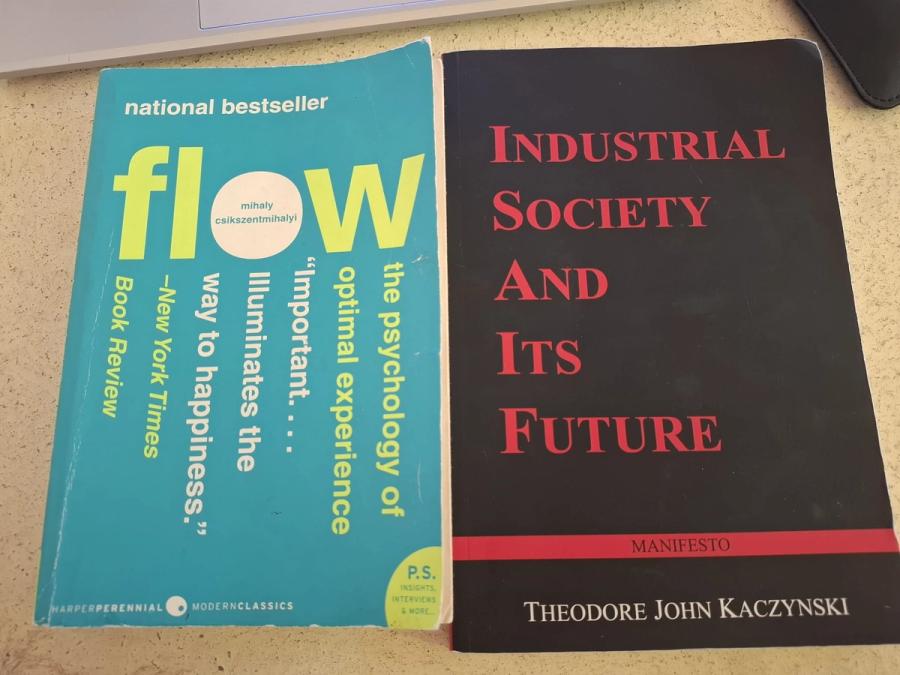
A useful operational definition of power is the ability of influencing one’s surroundings. Seeing our impact on the world around us is an exhilarating, reinvigorating experience, and going too long without it might lead to depression and anxiety. Both Mihaly Csikszentmihalyi, the psychologist and author of “Flow”, and Theodore “Ted” Kaczynski, the American anarchist terrorist better known as Unabomber, understood this principle.
Csikszentmihalyi argued that human beings are happiest when they are in a state of “flow”, that is, when they are facing problems that are not too easy (those would be boring) nor too difficult (those would be frustrating). He didn’t specifically mention power as we defined it - that is, influence on one’s surroundings - but situations where we are resolving optimal problems with impact on our surroundings tend to be associated with a state of flow. In my personal experience as a data scientist, for example, I did not feel optimally aroused when trying some super complex ML modelling just for the sake of it, but rather when I was solving practical problems and creating tools that would help my teammates and stakeholders.
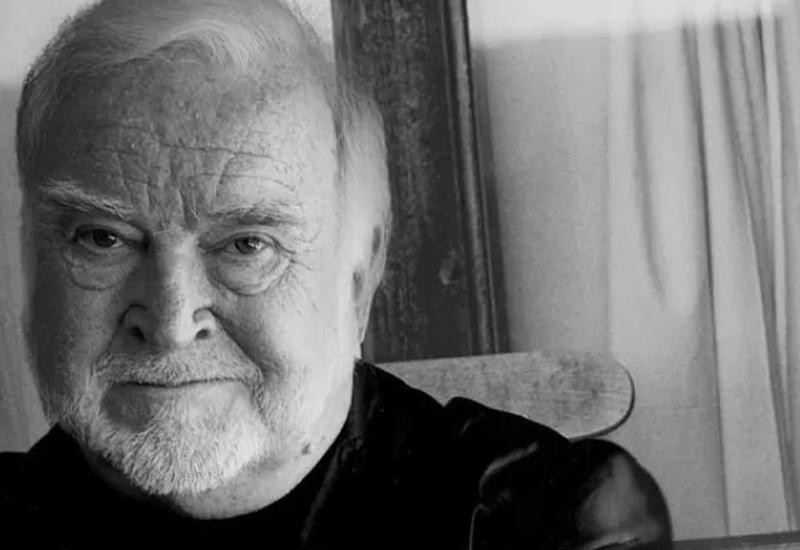
Mihaly Csikszentmihalyi
The above might not necessarily be universal - there are indeed people that prefer more contemplative efforts (such as academics). However, I would argue that academics are, in their own way, influencing the environment they care about - by producing new ideas that advance their own discipline. And for what concerns the old sexist view that men are more oriented towards problem solving than women, well, it needs a reframing: women enjoy problem solving and impactful efforts just as much as men do - simply, they prefer to orient their efforts towards people rather than “things”.
Strikingly, Kaczynski was reflecting on the same topics at more or less the same time as Csikszentmihalyi (late ‘80s/early ‘90s) while recluded in his cabin, but from a more social and historical perspective. He argued, maybe with a bit of historical oversimplification, that human beings in the pre-industrial age were constantly facing optimal challenges (finding food, shelter, protecting their close kin) for which they were equipped with adequate skills. Instead, the industrial age made it “too easy” to solve those problems, replacing optimal problems with too easy tasks (the mundane, alienating jobs of modern life), while at the same time introducing a new class of frustratingly hard problems, due to the high degree of social complexity; think about controlling AI, reducing income inequality, or fighting climate change. In other words, modern society prevents the individual from experiencing the power process.
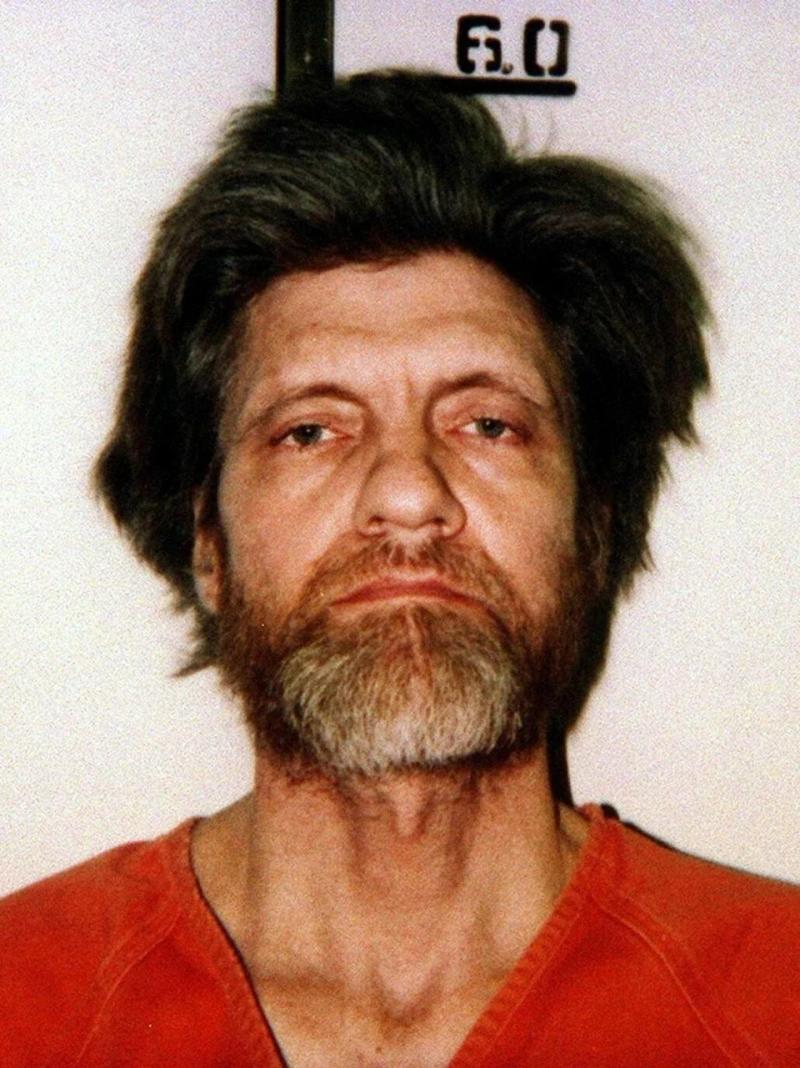
Ted Kaczynski, the Unabomber
The two authors differ in their proposed solutions. Csikszentmihalyi argued that individuals could create artificial optimal problems, such as taking up a challenging hobby or activity that would induce flow. In this sense, playing tennis is not that much different from hunting in the forest: both are problems that are neither too difficult nor too easy, and the individual can feel quite content and “get lost” in the task while solving them - flow, in essence. The Unabomber argued (in my opinion quite weakly) that the “fake” challenges that humans choose to keep themselves entertained are just “surrogate power processes”, and they are never enough: once you learn how to serve in tennis, you want to learn how to volley, and so on, endlessly chasing new fake goals. Instead, in his view the “true” power process is naturally more satisfying; hence, we need to go back to a pre-industrial society, by violent means if necessary. He doesn’t explain the mechanism by which the “true” power process is substantially different from the “artificial” one, at least in terms of satisfaction - and that, in my view, destroys his whole anarchist argumentation. But I guess that once he started mailing bombs he lost a touch of sophistication.
My view is definitely closer to Csikszentmihalyi, but I don’t agree 100%. While it is true that playing tennis or solving sudokus or learning languages is fun, I believe that individuals want to have a deeper, “truer” impact on things that matter - on problems related to more basic needs. Playing tennis probably feels like escapism when the regime police are arresting your neighbors.
That is why I view freedom in a more substantial way, rather than merely liberty from certain legal restrictions. Freedom means being able to shape (influence) your world according to your values, bringing them into reality; but you cannot do it if the “game of society” is too difficult. Autocrats know it, and if they are smart they’ll try to make your life easier, so that you think that you are actually living well; in exchange, they’ll ask you to abstain from the problems that actually matter.
A practical example, to make my reasoning clearer: let’s say that your value is education, and you want to create a school for your community. You are not free if you need to climb party hierarchies to become the Regional Party Head of Education (RPHE, nice title) to finally build the school; at the same time, you are not free if the only way to accumulate enough capital to build it is becoming a crypto startupper and praying that you hit the 0.01% chance of becoming successful and rich. You are free if local government positions are open and competitive, and you can convince your fellow citizens of your idea of building a school; if the national government has enough redistributive power to invest in education; and if regular people have robust incomes and can contribute to fundraisings, if needs so. (Or maybe, you are even more free if the school is already built because your values are shared and nurtured across the community).
In essence, when autocracies offer “freedom” to men, they are merely offering a certain degree of non-intervention, in exchange for surrendering any chance of experiencing a “real” power process; this is true both in actual illiberal system and in extremely unequal liberal democracies. Playing padel in Russia is probably as fun as in Spain; protesting and building a different kind of society, not so much.
Have thoughts on this post? I would love to hear from you.
Get in Touch