AI-assisted pope
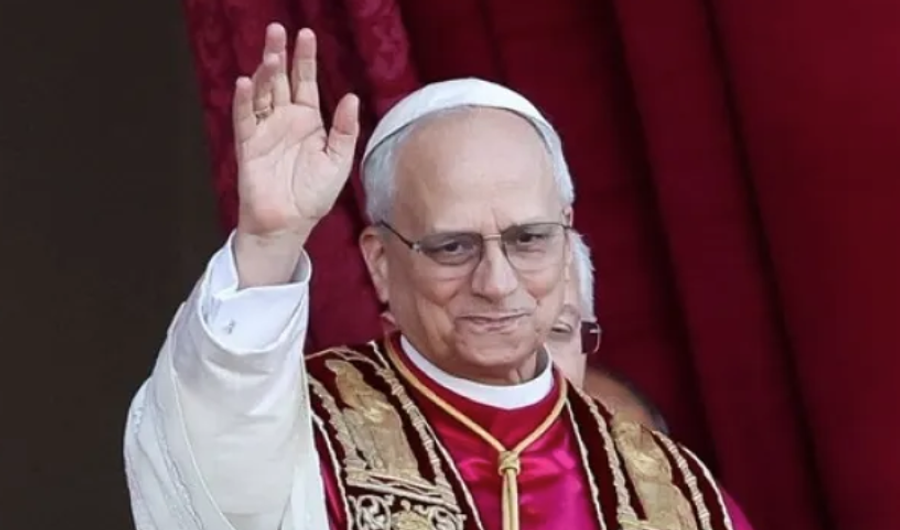
(English version below)
Ho appena finito di leggere l'ultima enciclica di Papa Leone, "Magnifica Humanitas". In essa, il Papa discute di come il Vangelo possa aiutare a navigare nelle acque incerte dell'intelligenza artificiale, sia dal punto di vista dell'utente che del produttore.
Non sono cattolico (anche se sono stato cresciuto come tale). Ma devo dire che sono rimasto molto impressionato. Non ho titolo per giudicare le parti più strettamente teologiche (che pure non sono tante) ma la parte umana e sociale ha risuonato profondamente.
Il Papa incentra la sua visione su due immagini contrapposte: quella della torre di Babele, dove uomini arroganti progettano di costruire un'imponente torre che arrivi fino a Dio; e quella del profeta Neemia, che dopo la distruzione di Gerusalemme, di ritorno dall’esilio a Babilonia coordina i lavori di ricostruzione, assegnando a ciascun israelita il suo pezzetto di muro e assicurandosi che il risultato sia amabile agli occhi del Signore.
Nel mondo dell'AI, questo si traduce in quello che qualunque manuale di buonsenso sostiene: controllo umano, mancanza di bias nei processi di allenamento, uso responsabile, fattualità, etc.
Ma è la parte sulla costruzione della civiltà dell'amore che mi ha affascinato. Come ci si può aspettare da un papa, Leone incoraggia l'umanità a costruire una civiltà basata su profonde basi valoriali, invece che sul freddo nichilismo della realpolitik di Stephen Miller. Ma lo fa non con sdolcinate litanie sull'amore infinito della Vergine Maria (che pure cita al finale), bensì con argomentazioni coraggiose, logiche, profondamente umane e in un certo senso laiche. Non serve essere un cattolico devoto per condividerle profondamente.
O per meglio dire, le sue argomentazioni sono coraggiosamente illogiche: è scontato che in un mondo dove impera la sfiducia e il conflitto, la scelta razionale per qualsiasi attore politico, individuo o Stato, sia quella di adeguarsi alle regole del gioco e prepararsi alla lotta; ma chi costruisce la civiltà dell’amore sono i martiri del quotidiano, come li definisce Leone; ossia coloro i quali, consapevoli della durezza del mondo moderno, non si adeguano alle regole del gioco e anzi giocano a un gioco opposto, quello dell'amore appunto.
L’AI, ora come ora, non sembra granché orientata alla civiltà dell’amore: spazzerà via professioni molto più rapidamente di quanto i rispettivi lavoratori possano adeguarsi, creando una lotta per la sopravvivenza tra i pochi rimasti; verrà usata (o meglio, è già stata usata) per aiutare operazioni militari di dubbia legalità; i datacenter stanno facendo la concorrenza ai comuni cittadini per il consumo elettrico. Ma forse, con un po’ di sforzo, l’enciclica di Leone può essere il blueprint per usare l’AI alla maniera di Neemia, invece che a quella degli architetti di Babele.
******************************
I just finished reading Pope Leo's latest encyclical, "Magnifica Humanitas." In it, the Pope discusses how the Gospel can help navigate the uncertain waters of artificial intelligence, both from the perspective of the user and the producer.
I'm not Catholic (though I was raised as such). But I must say I was very impressed. I'm not qualified to judge the more strictly theological parts (which aren't many), but the human and social aspects resonated deeply.
The Pope centers his vision on two contrasting images: that of the Tower of Babel, where arrogant men plan to build a mighty tower that will reach all the way to God; and that of the prophet Nehemiah, who, after the destruction of Jerusalem, upon returning from exile in Babylon, coordinates the reconstruction work, assigning each Israelite his own piece of the wall and ensuring that the result is pleasing in the eyes of the Lord.
In the world of AI, this translates into what any common-sense textbook advocates: human control, lack of bias in training processes, responsible use, factuality, etc.
But it's the part about building a civilization of love that fascinated me. As one might expect from a pope, Leo encourages humanity to build a civilization based on profound values, rather than the cold nihilism of Stephen Miller's realpolitik. But he does so not with saccharine litanies about the infinite love of the Virgin Mary (whom he also mentions at the end), but with courageous, logical, profoundly human, and in a certain sense secular arguments. You don't have to be a devout Catholic to deeply agree with them.
Or rather, his arguments are courageously illogical: it's obvious that in a world where mistrust and conflict reign, the rational choice for any political actor, individual or State, is to adapt to the rules of the game and prepare for battle; but those who build the civilization of love are the martyrs of everyday life, as Leo defines them; that is, those who, aware of the harshness of the modern world, do not conform to the rules of the game and instead play the opposite game: that of love.
AI, as it stands, doesn't seem particularly oriented toward the civilization of love: it will wipe out professions much faster than their workers can adapt, creating a struggle for survival among the few remaining; it will be used (or rather, has already been used) to aid military operations of dubious legality; data centers are competing with ordinary citizens for electricity consumption. But perhaps, with a little effort, Leo's encyclical can be the blueprint for using AI in the manner of Nehemiah, rather than that of the architects of Babel.
Have thoughts on this post? I would love to hear from you.
Get in Touch